
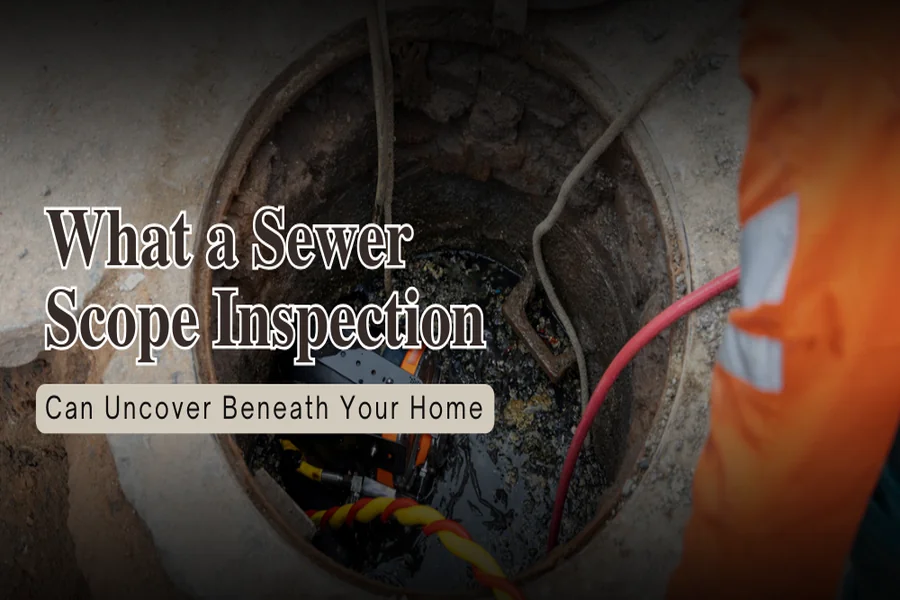
Ever wonder what’s going on beneath your home, especially with those vital pipes you never see? Your sewer lines are unsung heroes, silently carrying away waste and keeping your home’s plumbing running smoothly. But what you can’t see can often cause big, expensive problems. It is precisely why a sewer scope inspection can be a game-changer, identifying issues before they escalate. Read on and discover how looking into your pipes can save you big trouble.
Detecting Blockages and Buildup
When drainage slows or backups occur frequently, it often signals deeper issues beyond surface-level clogs. The following points explain how a sewer scope inspection can help:
1. Pinpoint Common Obstructions
- Technicians use a sewer scope inspection to detect grease buildup, invading tree roots, or lodged debris that restricts flow.
- These obstructions often go unnoticed without visual confirmation inside the sewer line.
2. Reveal Hidden Sewer Problems
- Repeated drain issues may point to cracks, collapsed sections, or offset joints.
- Identifying these hidden sewer problems early helps prevent further damage and unnecessary repairs.
3. Guide Effective Solutions
- Precise imaging allows plumbers to locate the issue precisely and recommend the proper fix.
- As a result, homeowners avoid guesswork and costly trial-and-error repairs.
Identifying Cracked or Collapsed Pipes
Cracked or collapsed pipes often result from long-term wear or environmental stress. These issues can lead to hidden damage beneath the home and require accurate diagnosis. The following explains how they form:
- Aging pipes and ground movement: Over time, materials such as cast iron, clay, or PVC can weaken. Soil shifts, tree roots, or foundation settling may cause pipes to crack, sag, or collapse.
- Structural damage below the home: When a pipe fails, it can lead to leaks, soil erosion, or uneven flooring, especially in slab or crawl space areas.
To verify the problem, professionals often perform a camera-based plumbing check, such as:
- Video inspection: A small camera enters the pipe to provide real-time visuals of its interior.
- Condition confirmation: Technicians can detect cracks, separations, or collapsed sections and identify the pipe material.
- Precise problem location: This method helps target repairs without unnecessary excavation.
Spotting Tree Root Infiltration
Tree root infiltration often causes sewer line issues. Roots grow toward moisture and enter pipes through small openings. Tree roots infiltrate plumbing systems in the following ways:
- Roots grow toward moisture: Trees detect moisture from minor pipe leaks or condensation.
- Small openings allow entry: Roots enter through cracks, loose joints, or unsealed pipe connections.
- Roots continue to grow inside: Once inside, roots expand and begin to obstruct water flow.
Moreover, if roots invade the pipes and no action follows, it can lead to the following issues:
- Recurring clogs: Roots catch debris and waste, causing frequent blockages.
- Slow drainage: Water flow decreases as roots fill more of the pipe.
- Sewer line damage: Continued growth can crack or collapse the pipe, requiring costly repair or replacement.
Revealing Improper Plumbing Connections
Improper plumbing connections often go unnoticed until they leak or affect performance. Older installations or DIY work may not meet current codes. These are the common issues found in such setups:
- Outdated materials or methods: Older systems may use components that no longer meet safety or efficiency standards.
- Unverified DIY repairs: Homeowners may install fittings or connections without following proper guidelines.
- Structural shifts: Movement in a home’s foundation or walls can cause misalignment over time.
Furthermore, to detect these issues before they worsen, a plumbing check can reveal key system weaknesses, including:
- Misaligned joints: Poor pipe alignment can lead to leaks or reduced water flow.
- Sagging lines: Pipes without proper support may sag and restrict drainage.
- Faulty or mismatched fittings: Incompatible components can weaken the system and increase the risk of failure.
Helping Homebuyers Avoid Costly Surprises
Sewer scope inspections offer key insights when buying a home, especially older ones with potentially damaged or outdated underground lines. These are the main reasons why they matter:
- Detect structural damage: Sewer scope inspections reveal cracks or collapses caused by shifting soil or root intrusion that may compromise old pipes.
- Identify flow restrictions: The inspection uncovers blockages from years of buildup or poor drainage design that limit sewer line performance.
- Assess material condition: Camera checks expose deterioration in aging pipes made of clay, cast iron, or Orangeburg, helping prevent unexpected failures.
However, uncovering hidden sewer problems before closing offers several advantages, such as:
- Negotiation leverage: Buyers may request repairs, price reductions, or closing credits.
- Budget planning: Knowing the repair scope helps buyers prepare for future costs.
- Informed decisions: A complete view of the property’s condition supports more precise evaluations.
Don’t Ignore What’s Underground!
Your home’s most significant problems might be hiding where you can’t see beneath your feet. A sewer scope inspection doesn’t just check for clogs or cracks; it also helps uncover plumbing issues that could cost you thousands and compromise your safety. Don’t skip this step if you’re maintaining your own or buying a new one. Schedule a professional sewer scope inspection in Chester County today to avoid expensive surprises. It’s the smartest plumbing check you’ll wish you had done sooner.