
Introduction
The electronic world has changed the way we view and share images. Using the latest technologies, such as Adobe Photoshop, editing has never been easier in life than today, where anyone can compose an impeccable photo, a gorgeous advertisement, or a piece of art without any issues. Though these tools enable the creativity, they also introduce the boundary between originality and manipulation. This increasing problem has led to the emergence of photoshop detector urgency. With altered images being proliferated on media outlets, business, government and individual users are looking on detection technologies more often as a way of safeguarding truth, credibility and trust.
The Emergence of Image Manipulation.
Photoshop and other such editing software is no longer a preserve of professional designers. Image manipulation has become a normal situation with all the tutorials, apps, and plug-ins that are accessible to everyone. It can be used to touch up, fix lighting in addition to creating whole scenes, and the opportunities are limitless. Whereas these edits are usually harmless, they may also be applied to mislead. False advertisements, bogus news and illusions are mostly dependent on manipulated images. Photoshop detection is, in this context necessary, so that the viewers are not being deceptive by the content which is meant to deform the reality.
The importance of Photoshop Detection.
The skill to differentiate between genuine and falsified images is critical to most industries. Credibility in journalism depends on the fact that facts and visuals are presented the way they are. One doctored photograph may harm the image of a news organization. Manipulated images can confuse an investigation or a court case in law. Fraudulent product images or even counterfeit endorsements may destroy customer confidence in business. Altered images can also be a source of cyberbullying, misinformation or identity misuse even at a personal level. Photoshop detection is an action to address these risks to provide accountability and to make sure that the truth is the truth in digital communications.
Photoshop Detection In Process.
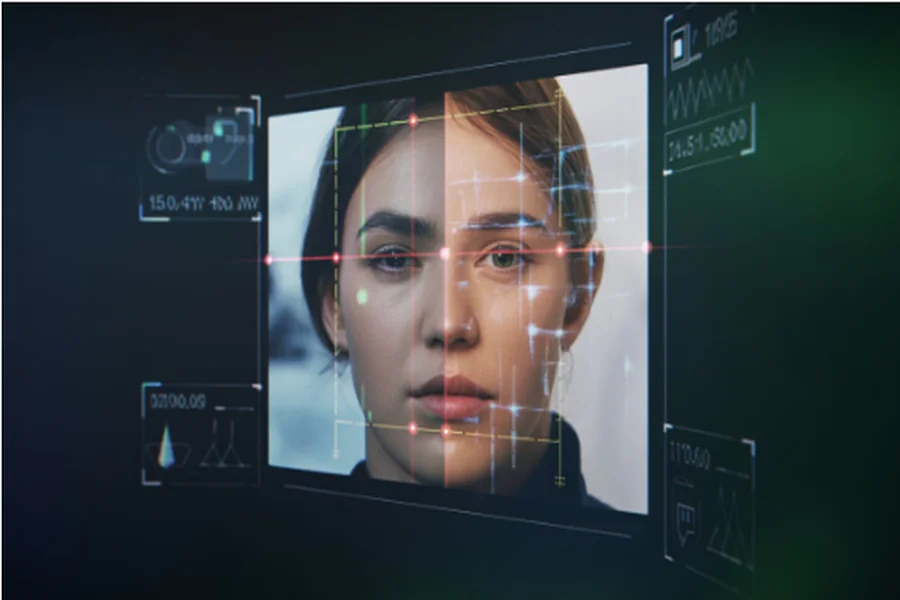
Photoshop detection is the process of detecting irregularities in digital images which signifies interference. Metadata is analyzed by deepfake detection tools, e.g. file history, editing traces, to show whether and when there were changes. Innovative systems extend to scan pixel-level abnormalities. As an example, discrepancies in lighting, shadows or textures can indicate manipulation. Artificial intelligence has enhanced the detection skills since the algorithms are trained to identify patterns that could have been missed by humans. The AI can highlight the abnormalities in the faces of individuals, identify the cloned objects, or even note the artificial methods of blending. These techniques combined would make an effective giveaway to weed out genuine images and distorted ones.
The contribution of Artificial Intelligence.
The artificial intelligence is also central in the development of Photoshop detection. AI based detection systems are trained on large amount of real and manipulated images, getting trained on how to detect various slight hints left behind during editing. In contrast to conventional analysis, AI can cope with the changing manipulation strategy, such as image editing based on deep learning, which imitates the natural image. Furthermore, AI is more efficient, thousands of images can be scanned in a few seconds and the results will be accurate. With the volume of data that is currently flowing around the internet, AI helps to make sure that detection systems can keep up with the sheer amount of data flowing as a result of the increase in digital content.
Photoshop Detection Problems.
Photoshop detection is yet to overcome a number of challenges. The first and one of the difficulties is the advancement of editing methods. With increased software development, the difference between manipulated and authentic images would be more difficult to observe, even during their close scrutiny. The other issue is how to balance privacy of the users and the accuracy of detection because sometimes scanning many pictures at one time is a question of ethics. Also, there is still the issue of false positives. The excessively sensitive detection systems might be wrongly used to label the authentic pictures as the fake ones, which can result in damaged reputations or lack of trust. These issues indicate the necessity to develop innovation and to use detection technologies responsibly.
Photoshop Detection Applications.
Photoshop detection has an influence over industries and life in general. The media houses apply detection mechanisms to confirm the validity of images before releasing news items, a tactic that prevents misinformation to destroy the trust of the people. The law enforcement agencies are dependent on the detection during the forensic investigation, which examines the visual material to differentiate between real documentation and the fake one. Companies apply it to safeguard brands against fraudulent advertisement campaigns, or fake product images. Even social media platforms are beginning to introduce Photoshop helps to curb the effect of manipulated photos which propagate misinformation or unrealistic beauty ideals.
Benefits Beyond Security
The Photoshop use is not only effective in fighting fraud or crime. It is also significant in enhancing transparency and digital literacy. Detection systems make people skeptical and critical by making users aware of how images can be easily manipulated. They can as well enable creators to distinguish between their original work and falsified content and enforce artistic and journalistic integrity. To the consumers, detection creates confidence with internet interactions, as they are sure of what they are looking at is real and trustworthy. Photoshop detection in this manner leads to a healthier digital environment where truth is one of the guiding values.
The Future of Photoshop Detection.
Photoshop detection tools will develop to keep up with the advancement of image editing tools. The expected features in the upcoming systems are real-time verification wherein suspicious edits will automatically be marked when uploaded to the platforms. It is also possible that blockchain technology can be involved, which will make it possible to verify original images by immutable timestamps and certificates. The cooperation among governments, technology firms, and regulators will enhance detection even more, developing common criteria on digital authenticity. In the end, the future of Photoshop detection will be characterized by both creativity and cooperation and a mutual desire to safeguard the truth in the cyberspace.
Conclusion
Photoshop has transformed the manner in which we make and experience visual content, yet the mass usage of the tool is equally problematic in terms of authenticity. Manipulated images may deceive, misguide and destroy individual and social trust. The use of Photoshop detection becomes a crucial solution, as people, companies, and institutions become able to differentiate between truth and fiction. Detection systems allow maintaining credibility in the world where seeing is no longer believing by combining sophisticated technologies such as artificial intelligence with ethical behavior. Further evolution of Photoshop detectors in the forthcoming years will be critical in making sure that the truth comes out despite the digitalized manipulation of the truth.