
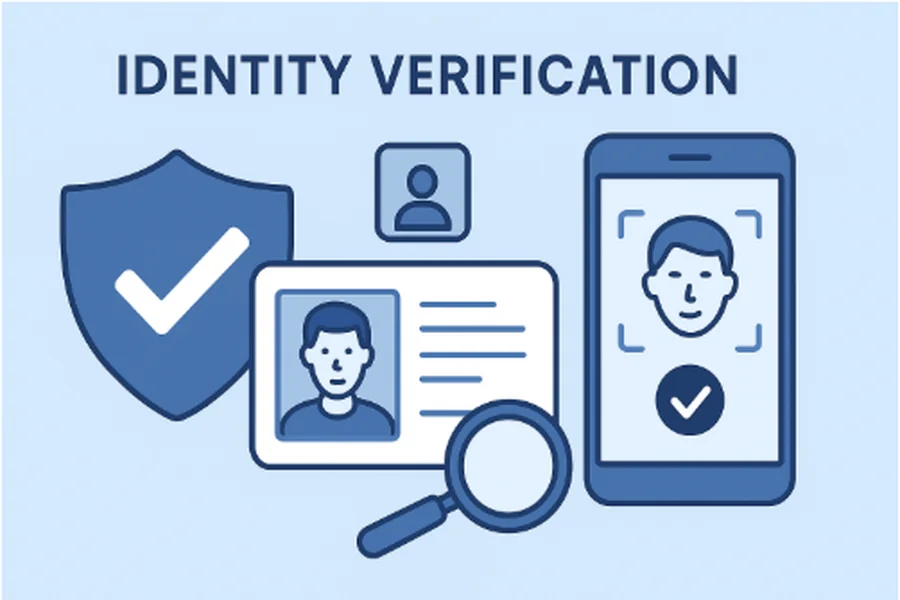

In a world that is becoming increasingly digital, the need for secure identity verification has never been greater. Whether someone is opening a new bank account, registering for an e-commerce platform, or using digital wallets, organizations must ensure that the individual behind the screen is genuine. Without strong safeguards in place, businesses expose themselves to fraud, regulatory penalties, and reputational damage.
Identity verification is the process of confirming that a person’s identity matches the information they provide, usually by validating government-issued IDs, biometrics, or other personal data. It has become a critical tool for organizations across industries such as banking, healthcare, and fintech, as it helps protect customers while ensuring compliance with regulatory requirements like KYC (Know Your Customer) and AML (Anti-Money Laundering).
Understanding Identity Verification
At its core, identity verification allows businesses to build trust with customers by confirming their identities before granting access to services. This process often involves several steps: capturing personal details, cross-checking information against official databases, and using advanced technologies such as biometric authentication or AI-driven document scanning.
By combining these methods, businesses can detect anomalies, minimize fraud risks, and ensure that only legitimate users gain access to sensitive services. This not only improves fraud prevention but also enhances the customer experience by creating a seamless and secure onboarding process.
The Role of Identity Authentication
While identity verification ensures that a person is who they claim to be, identity authentication confirms that the individual using an account is the rightful owner. The two processes are closely linked but serve distinct purposes. For example, when a user registers for a financial service, identity verification checks their documents and credentials. Later, when they log in, identity authentication—through passwords, biometrics, or one-time passcodes—confirms that it is the same person.
Modern identity authentication relies heavily on biometric technologies such as facial recognition, voice matching, and fingerprint scanning. These methods are far more secure than traditional passwords, which are prone to theft or reuse. When combined with multi-factor authentication, businesses can significantly strengthen their defenses against cybercriminals.
The Growing Threat of Synthetic Identity Fraud
Among the most dangerous challenges organizations face today is synthetic identity fraud. Unlike traditional identity theft, which involves stealing personal information, synthetic fraud creates entirely new identities by combining real data with fabricated details. For instance, criminals may use a legitimate social security number with a fake name and address to build a synthetic profile that can bypass weak verification systems.
This type of fraud is particularly difficult to detect because the identity appears legitimate at first glance. Criminals often use synthetic identities to apply for loans, credit cards, or even launder money through financial institutions. According to industry reports, synthetic identity fraud is one of the fastest-growing financial crimes worldwide, causing billions of dollars in losses every year.
To combat this, businesses are turning to advanced identity verification solutions powered by artificial intelligence and machine learning. These systems analyze behavioral patterns, detect inconsistencies, and flag suspicious activities in real time. By leveraging these technologies, organizations can reduce risks and protect themselves against evolving fraud tactics.
Importance of Digital Identity Solutions
As businesses and consumers move online, digital identity has become a vital component of secure interactions. Digital identity verification ensures that individuals can access services safely while protecting organizations from regulatory and financial risks. Some of the key benefits of implementing strong digital identity solutions include:
- KYC compliance: Financial institutions and fintech companies must comply with strict global KYC regulations. Digital identity verification ensures businesses meet these standards, avoiding penalties and strengthening customer trust.
- Fraud prevention: Advanced fraud detection systems can stop fraudulent accounts before they cause damage, saving businesses millions in losses.
- Customer convenience: Today’s customers expect a fast, seamless onboarding experience. Automated digital verification tools allow companies to meet these expectations without compromising security.
- Biometric authentication: By incorporating fingerprints, facial scans, or voice recognition, businesses add an extra layer of protection that is difficult for fraudsters to bypass.
Identity Verification in Banking and Finance
Nowhere is identity verification more critical than in the financial services industry. Banks, credit unions, and fintech platforms are prime targets for fraudsters because they handle sensitive financial data and high-value transactions. Regulatory bodies also place strict requirements on financial institutions to implement robust KYC and AML programs.
Modern banking relies on identity verification software that combines document scanning, biometric checks, and AI-driven fraud detection. For example, when a customer applies for a loan, their identity is verified against official records, while authentication ensures ongoing account security. This dual-layer approach allows banks to protect customer assets while maintaining compliance with financial regulations.
The Future of Identity Verification
The future of identity verification is being shaped by emerging technologies that prioritize both security and convenience. Innovations such as blockchain-based digital identities, decentralized identity wallets, and passwordless authentication are redefining how organizations manage user access.
AI and machine learning will continue to play a critical role in fraud detection, especially in identifying complex cases of synthetic identity fraud. Meanwhile, biometric technologies are expected to become the standard for both verification and authentication processes, offering customers a frictionless yet secure experience.
For businesses, investing in these technologies is no longer optional—it is a strategic necessity. Customers demand safe digital interactions, and regulators expect compliance with global standards. By embracing advanced identity verification solutions, organizations can achieve both goals while staying competitive in the digital marketplace.
Conclusion
Identity verification is the foundation of secure digital interactions. It protects businesses from fraud, ensures regulatory compliance, and builds trust with customers. With the rise of threats such as synthetic identity fraud, organizations must go beyond basic checks and adopt advanced identity authentication and fraud detection strategies.
As digital ecosystems expand, the importance of identity verification will only increase. By integrating AI, biometrics, and innovative digital identity solutions, businesses can create safer, more reliable environments for customers while securing their place in the future of the digital economy.