
Major depressive disorder is a complex mood disorder that affects people globally, influencing how they feel, think, and handle daily activities. While many individuals find relief through psychotherapy, medication, or a combination of both, these approaches are not effective for everyone. For those who experience persistent symptoms despite trying standard treatments, other options are available. One such option is Transcranial Magnetic Stimulation (TMS). This is a non-invasive procedure that uses magnetic fields to stimulate nerve cells in the brain.
What Is Depression?
Depression is a medical condition and is more than just feeling sad or going through a rough patch. It is a persistent mood disorder that causes distressing symptoms affecting many aspects of a person’s life. Symptoms can vary in severity and may include a prolonged low mood, loss of interest or pleasure in activities once enjoyed, changes in appetite or weight, difficulty sleeping or sleeping too much, and feelings of worthlessness or guilt.
The condition can stem from a combination of genetic, biological, environmental, and psychological factors. Brain imaging studies have shown that in people with depression, certain areas of the brain, particularly the prefrontal cortex, have lower levels of activity. This region is involved in mood regulation, decision-making, and impulse control. For some individuals, traditional antidepressant medications and therapy do not provide adequate symptom relief, leading them to seek alternative treatments.
What Is TMS?
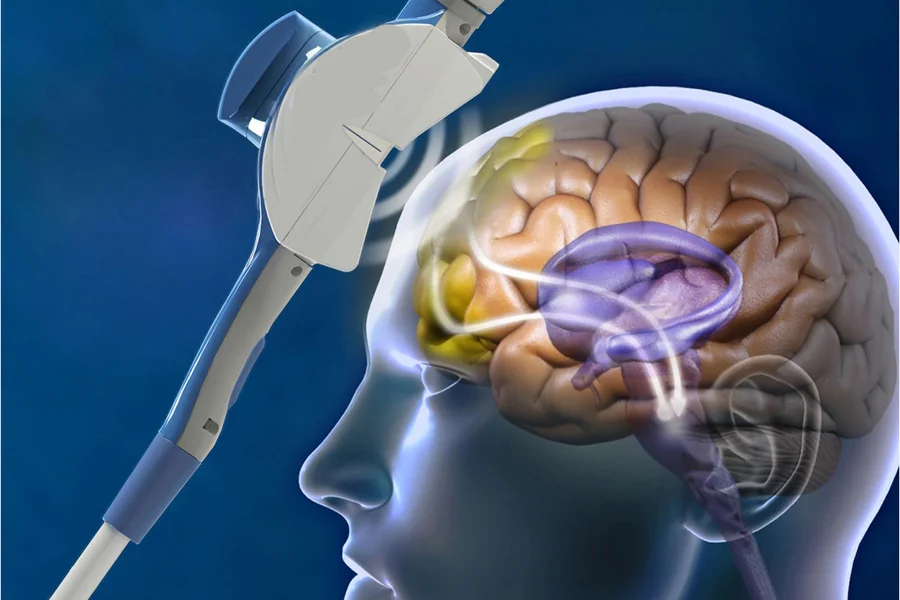
Transcranial Magnetic Stimulation is a medical procedure approved for the treatment of major depressive disorder in patients who have not benefited from prior antidepressant medication. It is a non-invasive treatment, meaning it does not require surgery or anesthesia. TMS works by directing targeted magnetic pulses to specific areas of the brain that are underactive in people with depression.
During a TMS session, a small electromagnetic coil is placed against the scalp near the forehead. The device delivers painless magnetic pulses that pass through the skull and stimulate nerve cells in the prefrontal cortex. This stimulation is thought to increase the activity of brain cells, which can have a lasting effect on brain circuits involved in mood regulation. Over the course of treatments, this process can help improve communication between different parts of the brain and may relieve the symptoms of depression.
What Does Treatment Involve?
A typical course of TMS treatment involves sessions that occur five days a week for approximately six weeks. The exact duration can vary based on an individual’s response. Before the first session, a healthcare provider will determine the correct placement for the coil and the appropriate magnetic energy dose for the patient. This involves taking measurements of the head to locate the specific area of the brain to be stimulated. Each treatment session lasts about 30 minutes. The patient sits in a chair and remains awake and alert throughout the procedure. They will hear a series of clicking sounds and feel a tapping sensation where the coil is placed.
Seek Professional Psychiatric Care
TMS is one of several treatment options for depression and must be administered by a qualified healthcare professional. Deciding on a treatment path for depression requires a thorough evaluation from a psychiatrist or other mental health specialist. They can conduct an assessment of your symptoms and previous treatment experiences to determine if TMS is appropriate for you. A professional can provide a diagnosis and develop a personalized treatment plan tailored to your specific needs.