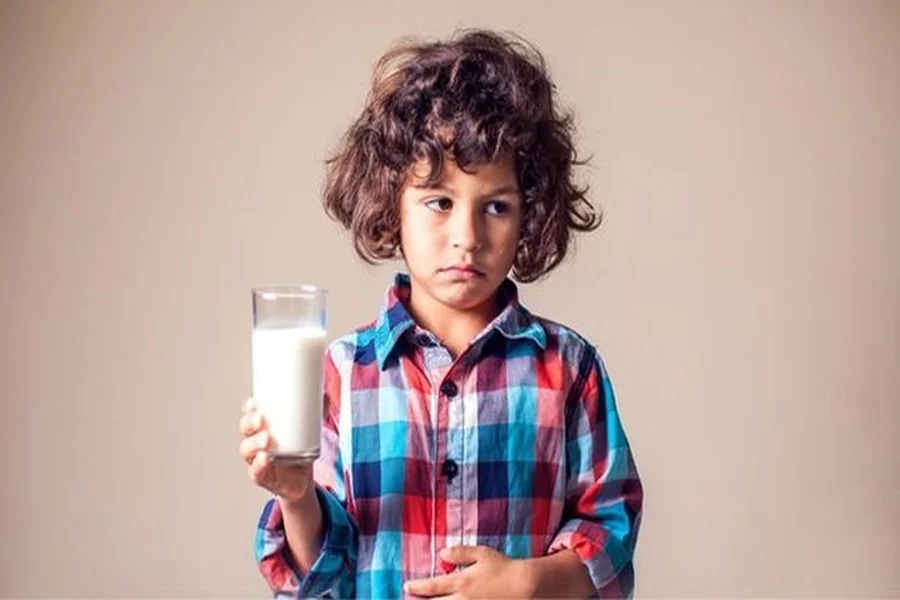

With more and more children being diagnosed with food sensitivities, food allergies in children are becoming a global concern. These allergies can cause many symptoms, from minor symptoms like hives or digestive distress to severe, fatal reactions. To protect the child’s safety and well-being, parents, guardians, and educators must be aware of food allergies in children, how to spot them early, and how to treat them.
More thorough information on diagnosis and available treatments is available here if you are worried about a food allergy in children.
This blog will discuss common food allergens, symptoms to watch out for, how to diagnose food allergies, and how parents can manage and treat their children’s food allergies. This information teaches you how to keep your child safe while dealing with a food allergy.
What is a Food Allergy in Children?
The immune system mistakes a safe protein for poison, which leads to a food allergy. When the immune system responds, it sends out chemicals like histamines, which cause symptoms of allergies. Food allergies in kids can appear early in life and may evolve as they age.
Young children frequently have food allergies, resulting in symptoms ranging from minor ones like a rash or stomachache to more serious ones like anaphylaxis or trouble breathing.
Food Allergy in Children: Symptoms
The symptoms of food allergy in children can change depending on how severe the allergy is. Among the most typical symptoms are:
- Skin reactions: Rashes, hives, facial, lip, or tongue swelling.
- Symptoms of the digestive system: Diarrhea, vomiting, or stomach pain.
- Respiratory problems: Coughing, wheezing, or trouble breathing.
- Anaphylaxis: A severe, potentially fatal allergic reaction that can result in blood pressure drops, breathing difficulties, and throat swelling. Anaphylaxis necessitates prompt medical intervention.
After ingesting the allergen, a food allergy may manifest symptoms hours later or instantly. Children may occasionally experience an allergic reaction to the food, or to touching or breathing in the food particles.
Typical Food Allergy in Children
Children are more susceptible to allergic reactions to specific foods. The most common foods that cause allergies are as follows:
1. Milk
A food product that includes cow’s milk is most often an allergen. People allergic to cow’s milk are usually babies and young children. Symptoms can differ, ranging from mild ones like rashes to more dangerous ones like anaphylaxis or trouble breathing.
2. Eggs
Children also often have allergies to eggs, especially egg whites. People who are allergic to eggs may have problems with their digestive, respiratory, or skin systems.
3. Peanuts
Among the most prevalent and dangerous food allergies are those to peanuts. Children with this allergy must strictly avoid peanuts because they can cause severe reactions like anaphylaxis.
4. Tree Nuts
Common allergens that can trigger severe reactions in children include cashews, walnuts, almonds, and pistachios. Many kids allergic to one kind of tree nut might also have allergies to others.
5. Wheat
Kids often have wheat allergies, which cause signs like rashes, stomach pain, and breathing problems. People often mistake these reactions for celiac disease.
6. Soy
Infants frequently have soy allergies, which can result in symptoms like skin reactions and gastrointestinal distress that are comparable to those of milk allergies.
7. Fish and Shellfish
People of all ages often have allergies to fish and shellfish like salmon, tuna, cod, shrimp, lobster, and crab. People with these allergies often have severe allergic responses that last a lifetime.
Identifying Food Allergy in Children
A child’s medical history, symptom analysis, and diagnostic testing are all used to diagnose food allergies in children. The usual method for diagnosing food allergies is as follows:
1. Review of Medical History and Symptoms
A complete medical background is needed to determine if a child has food allergies. The parents should talk about when the symptoms started, what foods the child reacts to, and whether anyone in the family has asthma or allergies. The doctor may also ask what foods were eaten before the allergic response.
2. The Skin Prick Test
Prick tests on the skin are among the most popular techniques for identifying food allergies. A tiny prick allows the substance to enter the child’s skin after a small amount of the suspected allergen is applied to it. If the child has an allergy, a tiny elevated bump will appear on the child’s skin.
3. A Blood Test
A blood test can determine the quantity of antibodies known as immunoglobulin E (IgE) generated in response to particular allergens. An allergy. Elevated IgE antibody levels indicate an allergic reaction; this test is usually used with a skin test.
4. The Food Challenge Exam
Allergists may supervise food challenge tests. The child receives more antigens and is screened for allergies. The best way to diagnose dietary allergies is with this test. This treatment is only used in hospitals to protect patients.
Handling Children’s Food Allergies
Knowledge, planning, and accountability are required to provide food allergy care for children. To assist children with food allergies, caregivers may:
1. Steer Clear of Trigger Foods
The most important thing to do when you have a food allergy is to stay away from the food that makes you sick. Reading product labels thoroughly can help parents avoid cross-contamination when making food. Sometimes, kids need to take epinephrine auto-injectors with them in case they accidentally come into contact with allergens.
2. Knowledge and Consciousness
People who care about children and work with them should be aware of any food allergies they may have and how to help if they have an allergic response. For example, they should know what an allergic response looks like and how to use an epinephrine auto-injector if needed.
3. A Plan for Emergencies
You need an emergency plan in case of a severe allergic reaction. When a child exhibits symptoms of an allergic response, this plan should clarify what to do, such as giving epinephrine and asking for help immediately.
4. Frequent Examinations
In their condition, children with food allergies should see an allergist or other healthcare professional regularly. Some kids may outgrow their allergies as they age, while others might require constant care and therapy.
5. Assistance with Nutrition
Food allergies can make it hard for kids to eat many different foods. When a child is on a restricted diet, working with a nutritionist is essential to ensure they get a healthy, well-balanced meal. People might be told to take supplements to make up for lost nutrients.
How Can Parents Support the Successful Development of Food Allergy in Children?
Children with food allergies can still live happy and healthy lives if they take steps to control their conditions. Parents should keep these things in mind:
- Teach kids about their allergies: It’s crucial for their safety as they age to learn how to identify their allergies and avoid particular foods.
- Engage caregivers and schools: Ensure caregivers, daycare centers, and schools are informed about your child’s dietary restrictions and know what to do in an emergency.
- Make spaces free of allergens: Check for food allergies at home and maintain proper hygiene to prevent contact with allergens.
- Keep yourself updated: To give your child the best care and resources, research new allergies, therapies, and advocacy efforts.
In Conclusion
Food allergies in children are a big problem, but they can be handled if you know what to do and have the right tools. Kids with food allergies can live whole, healthy lives if their allergies are found early, appropriately diagnosed, and taken care of in a well-thought-out way. To manage food allergens, your child and their caretakers need regular checkups, learn about food safety, and be careful with what they eat.
Check out this helpful guide for more information on how to spot and treat food allergies in children. It gives parents of kids with food allergies tools and professional advice. By ensuring your child is safe and getting professional help, you can help your child do well despite allergies.