
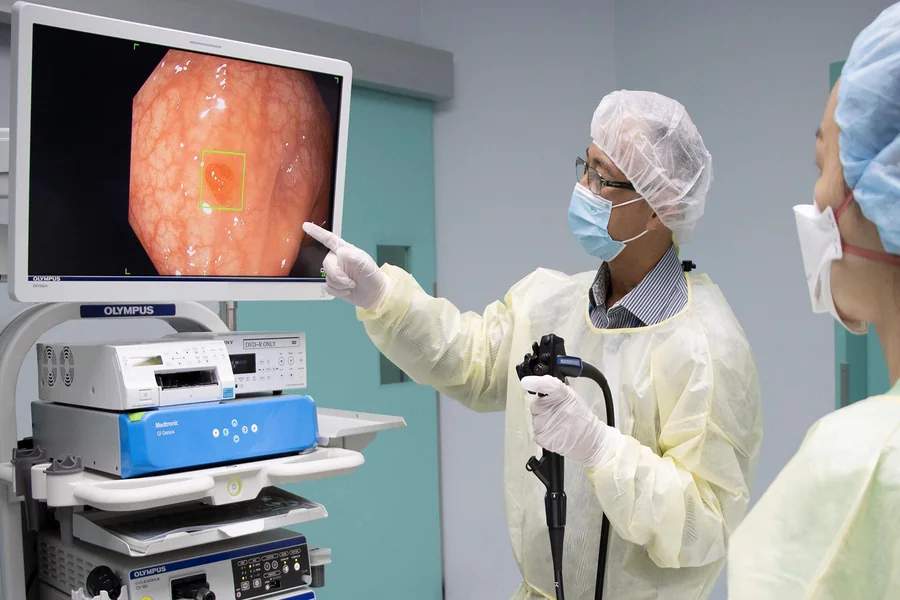

A colonoscopy is a specialised examination of the rectum and whole colon. Basically, it checks the inside of your large bowel using a thin, flexible tube with a camera.
It can find polyps, inflammation, and early cancer. It can also be used to remove or biopsy suspicious tissue on the spot. Follow this link to read more: https://www.leesurgery.com.sg/service/colonoscopy/.
In case you’re wondering what happens during the procedure itself, basically, it involves a specialist carefully threading a flexible endoscope through the anus to inspect the lining on a screen. Most tests use sedation, allowing you to rest throughout the procedure and wake up in a short recovery period.
Who is Recommended to get a Colonoscopy?
Colonoscopy is a specialised procedure, so it is understandable if the question on your mind right now is, Who is recommended for a colonoscopy? Or, what qualifies you for a colonoscopy?
Quite simply, you should consider a colonoscopy in Singapore if your doctor thinks it will help diagnose or prevent disease. Here are a few main reasons many people get the test.
- Routine screening by age or risk: If you are at average risk, screening starts at the age your national guidance recommends. The American Cancer Society recommends starting regular colorectal cancer screening, including colonoscopy, at age 45 for average-risk adults.
- Family history of bowel cancer or polyps: Having a close relative with colorectal cancer increases your lifetime risk. Your doctor will use the family history to suggest an earlier start and shorter screening intervals. Genetics and family patterns do influence the choice and timing of tests.
- Persistent symptoms like bleeding or change in bowel habit: Visible blood, a long-standing change in stool frequency, or new constipation or diarrhoea can signal serious conditions. With a colonoscopy, the doctor can look directly and even treat the cause at the same visit. So, don’t ignore ongoing symptoms and seek early assessments to get clearer answers.
- Known inflammatory bowel disease (ulcerative colitis or Crohn’s) follow-up: People with IBD need regular checks because chronic inflammation raises cancer risk over time. A colonoscopy can help assess disease activity and screen for dysplasia, allowing for adjustments in treatment. The test also helps your specialist plan long-term care.
- Abnormal screening test or stool test (FIT/FOBT): If a home stool test shows blood or other abnormalities, a colonoscopy checks the bowel directly. Positive screening tests do not always mean cancer. However, they do need prompt follow-up. The colonoscopy confirms the cause and lets the team remove polyps or take biopsies if needed.
When Should you Book a Screening Colonoscopy?
Generally, it is recommended to begin routine colonoscopy screening from around age 50 for people at average risk. However, if you have a higher risk, for example, having a close relative with colorectal cancer, your doctor will usually suggest starting earlier.
For average-risk people, colonoscopy is often offered every 10 years if results are normal. However, your clinician may set a different interval based on findings.
Private clinics and public hospitals that offer colonoscopy screening in Singapore may use slightly different booking pathways, so check where you will have the test. It is worth noting that some signs require prompt attention.
For example, visible rectal bleeding, severe abdominal pain, sudden and persistent changes in bowel habit with weight loss, or low blood count (iron-deficiency anaemia) are red flags. If you have any of these, your GP should refer you urgently to a gastroenterologist or an endoscopy centre.
During the test, sedation or light anaesthesia is common, so you feel little or nothing. Here’s what you can typically expect when you check in for a colonoscopy in Singapore:
- Sedation and monitoring: A sedative or light anaesthetic is used to ensure comfort, making you drowsy and relaxed. The nurses at the facility will monitor your heart rate, oxygen, and blood pressure throughout. The monitoring will continue until you wake and staff confirm you are stable.
- The scope inspection: The doctor passes the colonoscope through the anus and advances it along the colon while watching a screen. The camera shows the lining in real time so the doctor can spot polyps, inflammation or other changes. The team carefully moves the scope and guides you through the steps afterwards.
- Treatment during the test: If the doctor finds a polyp, they usually remove it with a small wire loop and often sends it for testing. Biopsies are quick and cause minimal discomfort. Removing polyps lowers your future cancer risk and often completes the diagnosis in one visit.
- Recovery and discharge: Expect to spend about 30 to 60 minutes recovering while staff monitors you. You cannot drive after sedation, so arrange a companion to take you home. A good team will give you written instructions and a plan for follow-up or results.
Typical outcomes after colonoscopies are normal result with routine follow-up, polyps removed with a recommended repeat interval, or biopsies sent to the lab with results in days to weeks. Your doctor will explain the finding and the suggested next steps before you leave or by phone.
How to Prepare for your Colonoscopy
Preparation is the part you control and it is crucial for a clear test. To prepare for your colonoscopy in Singapore, you will basically only need to follow a low-residue diet for one to three days before in some cases, then switch to clear liquids the day before.
The day before, drink only water, clear broth, clear juices without pulp, black tea or coffee without milk, and plain gelatin that is not red, orange or purple. Follow the clinic’s exact timing for your bowel-cleansing medicine.
These laxative drinks clear stool so the doctor can see the lining clearly. Importantly, be sure to tell the clinic about all medicines you take, especially blood thinners and diabetes drugs.
The team will advise which medicines to stop or adjust. Be keen to follow bowel-prep instructions exactly to ensure everything goes as planned.
Closing Thoughts
A colonoscopy is quick and generally safe when done correctly and all preparation guidelines are adhered to. If you’re due for a colonoscopy and have questions about any part of the assessment, feel free to inquire with your doctor.
If you’re considering a colonoscopy in Singapore, we welcome you to book your appointment with our clinic for clear prep instructions and same-day support. We will provide tailored advice on medicines, diabetes, and sedation. Get in touch with us below;